


A NEW ERA OF EDUCATION
TEXT: CHARALAMPOS NIKOPOULOS
Over several years, Cyprus has emerged as a dynamic, multicultural educational hub, with private education playing a leading role.
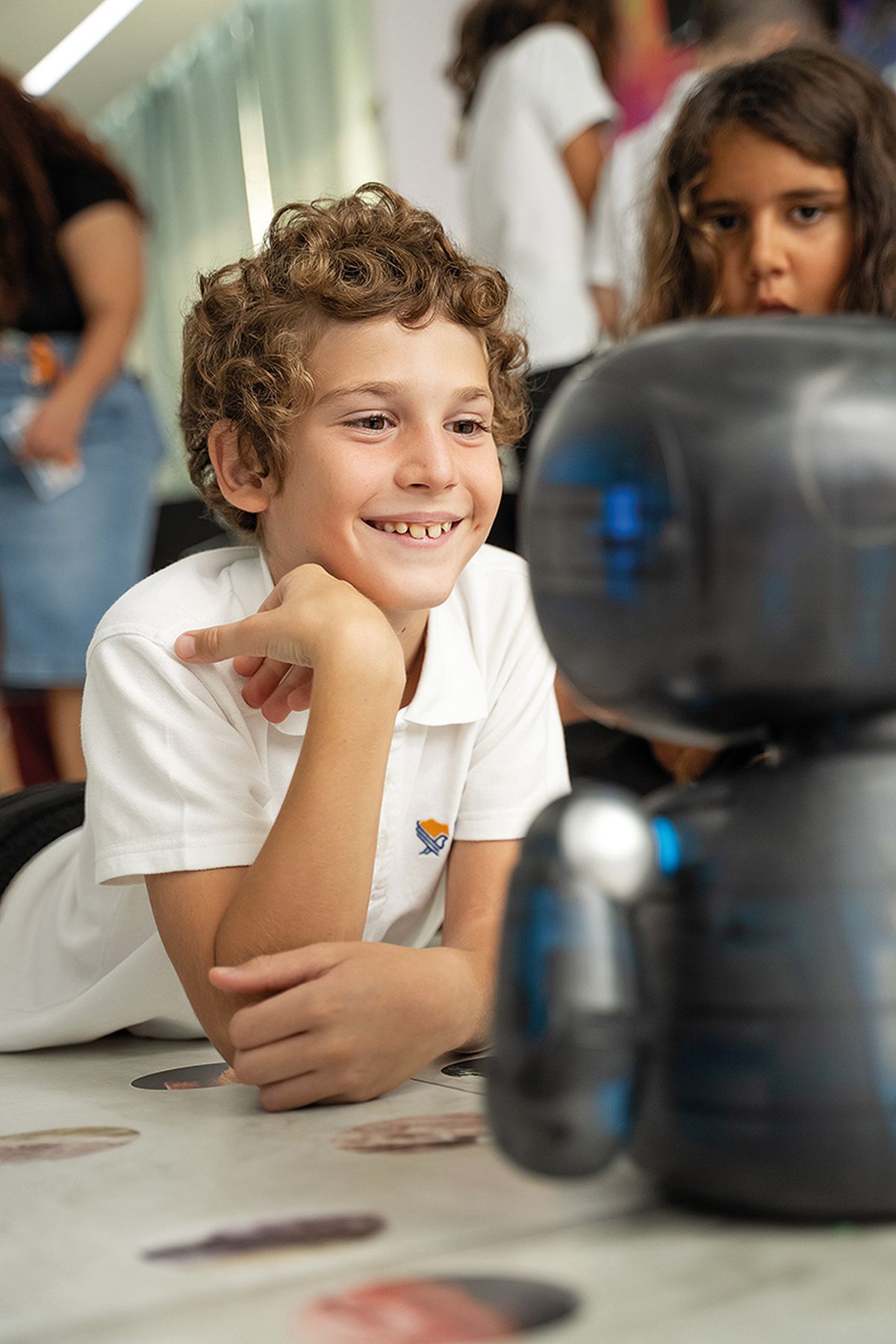
It is not only higher education –with dozens of universities and colleges, as well as more than 50,000 students from every corner of the world– that demonstrates Cyprus’ outward-looking academic profile. A similar dynamic is also evident at the secondary education level, where more than 40 private schools provide strong foundations and an international outlook.
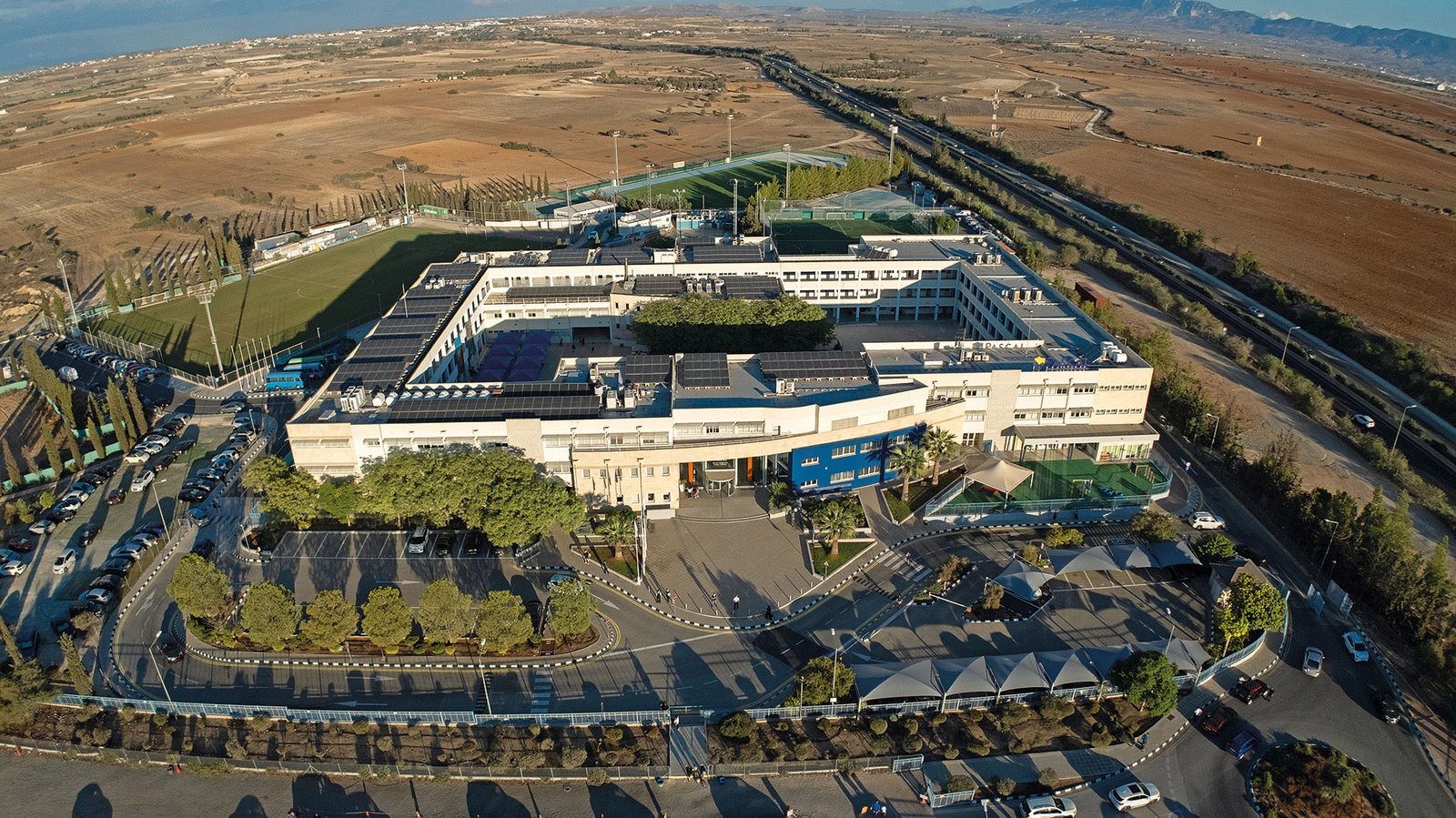 Over the past two decades, the private education sector has undergone a remarkable transformation by moving away from the traditional model and nationally focused curricula towards international standards, outward-looking approaches, innovation, and a learning philosophy centred not only on academic achievement, but also on the child’s overall development. A key factor in this transition has been the arrival of thousands of foreign families to the country, whether for a few years or on a permanent basis. Private schools responded swiftly by expanding their curricula to include internationally recognised programmes such as the International Baccalaureate and the British system’s A Levels. Today, this evolution is reflected in multilingual school environments and in the global opportunities now available to students who are equipped with essential skills and a modern mindset that enables them to meet the demands of an ever-changing world.
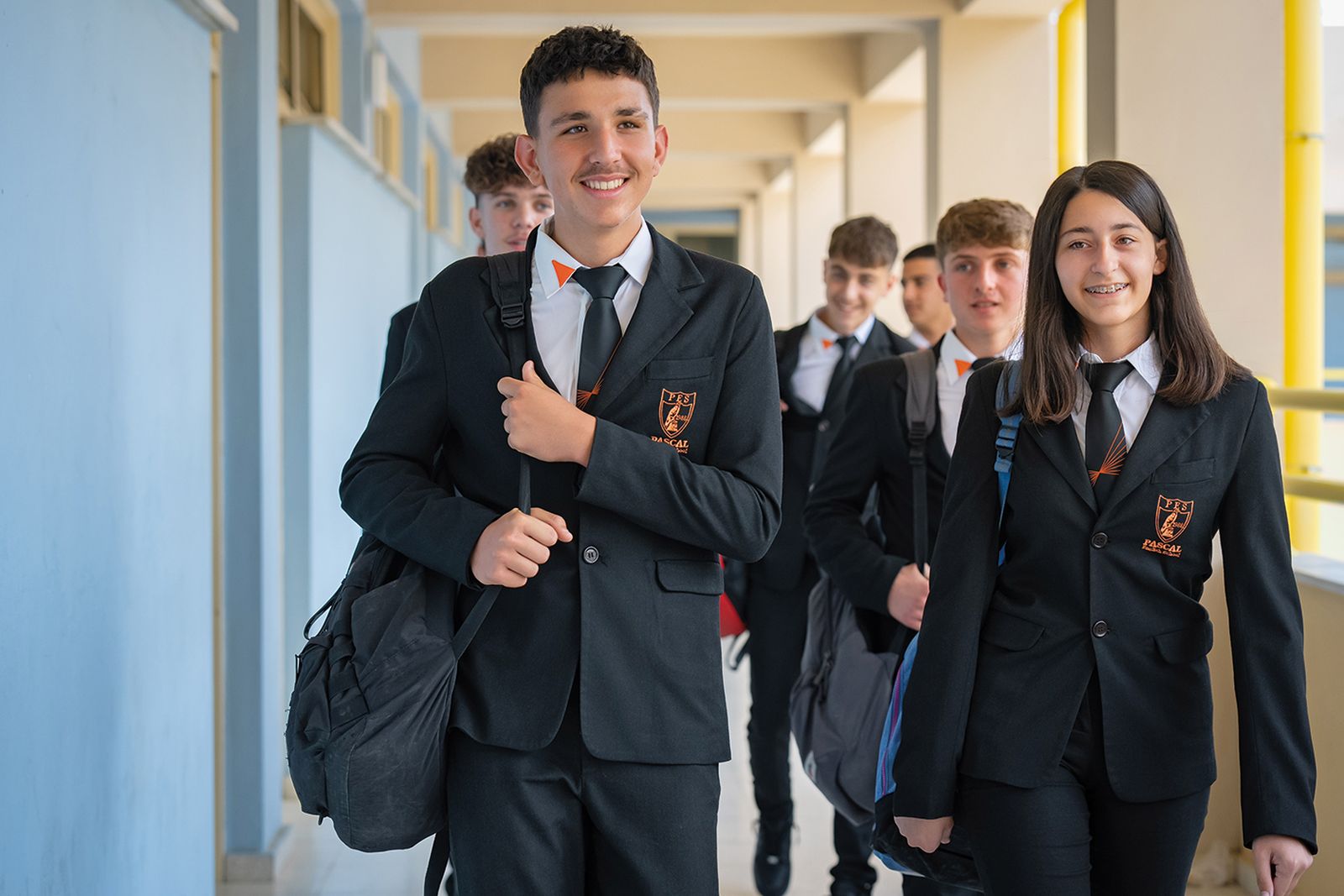 The presence of children not only from Europe, but also from the Middle East and Asia, with non-Cypriots accounting for at least 30% of the total, reflects a strong multicultural environment. At the same time, the country’s relatively small size fosters closely connected school communities and allows for more personalised support for students, both inside and outside the classroom.
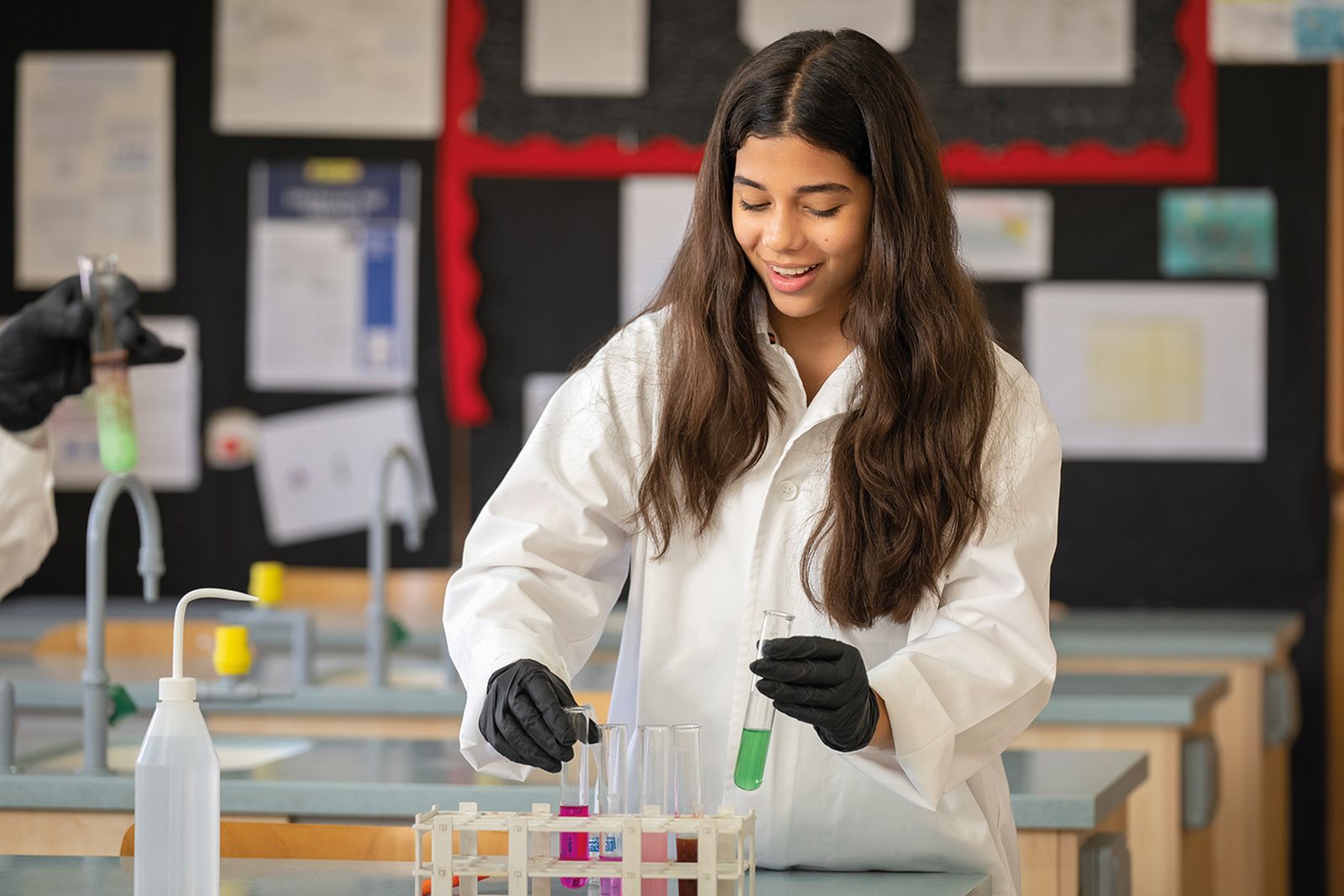 One of the most experienced executives of major private education groups operating in the country, Ms Ariana Milutinovic-Wood, Director of Education for Globeducate in Cyprus, points out that the approach followed by PASCAL schools, International School of Paphos and Olympion focuses on equipping students with the skills, values and mindset needed to succeed in today’s world. “In practice, this means strengthening critical thinking, collaboration, and adaptability, while also fostering emotional intelligence, resilience, and a sense of purpose.” She also emphasises the importance of creating school environments where students feel safe to take risks and develop both academically and personally. The strategy centres on preparing students to become global citizens capable of shaping the future with confidence and responsibility. “This philosophy is implemented through a broad and balanced curriculum enriched by international partnerships, initiatives, and cultural exchanges, while at the same time ensuring that each school maintains its own identity and connection to the local community,” she concludes.
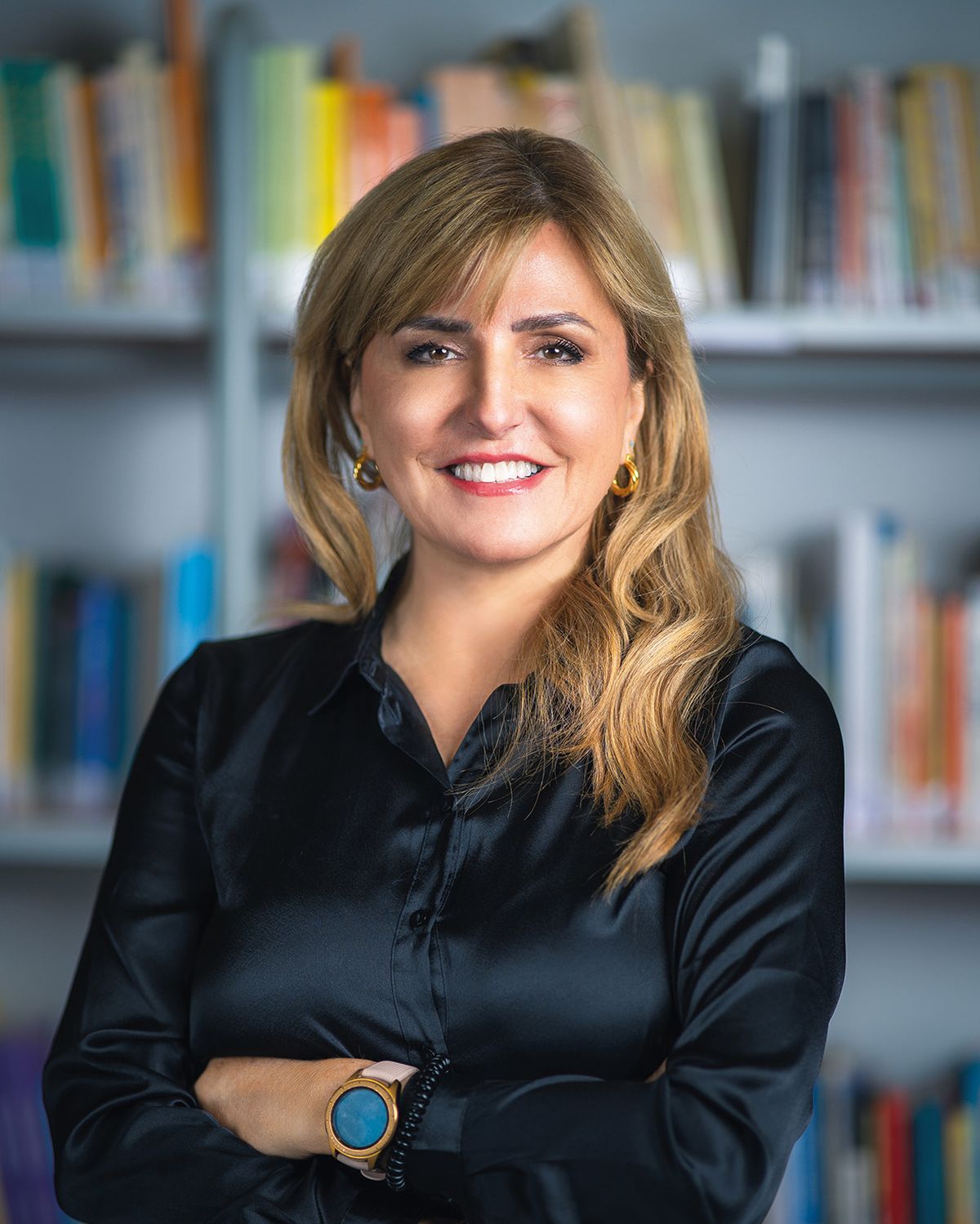
At the same time, in her role as the Group’s Regional Designated Safeguarding Lead, she notes that student safeguarding and wellbeing standards have improved significantly over the past decade, with schools placing increasing emphasis on structured policies aimed at preventing harm, abuse, and neglect. This development is grounded in the principle that students can only learn effectively when they feel safe, accepted, and supported. “Safeguarding is an integral part of our culture, supported by clear policies and procedures, systematic staff training, and dedicated educators. We place particular emphasis on counselling services and wellbeing programmes that support children’s emotional and social development.”
PASCAL schools operate in Nicosia, Larnaka, and Limassol, offering pre-primary, primary and secondary education, as well as a boarding facility in Nicosia. The International School of Paphos provides kindergarten, primary, and secondary education. Olympion School, located in Nicosia, follows the Cyprus national curriculum in Greek and offers both primary and secondary education.

