


Wild Serenity
Text: Michalis Christodoulou / Photos: SteΜajourneys
Oroklini Lake unfolds a quiet, living world where colourful birds move ceaselessly, creating a landscape that is ideal for birdwatching all year round.
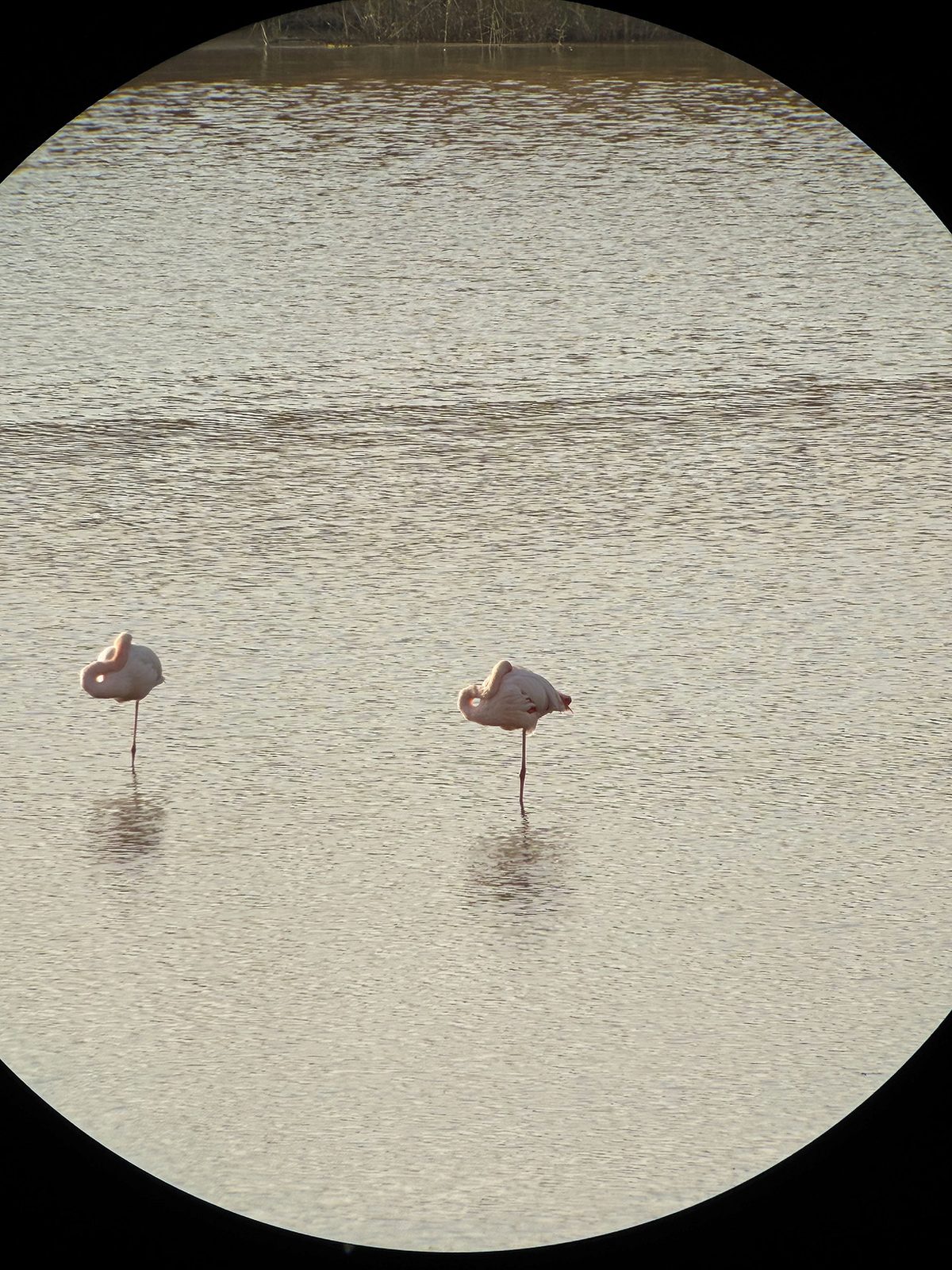
Just a few minutes from Larnaka, Oroklini Lake stretches out like a tranquil ribbon of water – a true oasis for those who love nature and observing wildlife in its natural habitat. Here, among soft reflections and sparse vegetation, winged visitors move ceaselessly, creating a constant sense of life. Despite its small size, the area holds significant ecological value, hosting a rich variety of waterfowl and serving as an important stopover for migratory birds.
In this small aquatic wonder, where tranquillity and life coexist in harmony, every visit takes on the feeling of a new discovery – a unique kind of adventure, as the lake, covering around 0.5 square kilometres and forming part of the European Natura 2000 network of protected areas, changes its appearance with the seasons. In winter, it fills with water, transforming the landscape into a vibrant wetland, while in summer it often dries out, revealing salty ground and a more rugged character. This constant transformation is what makes it so distinctive, attracting a wide variety of bird species throughout the year.
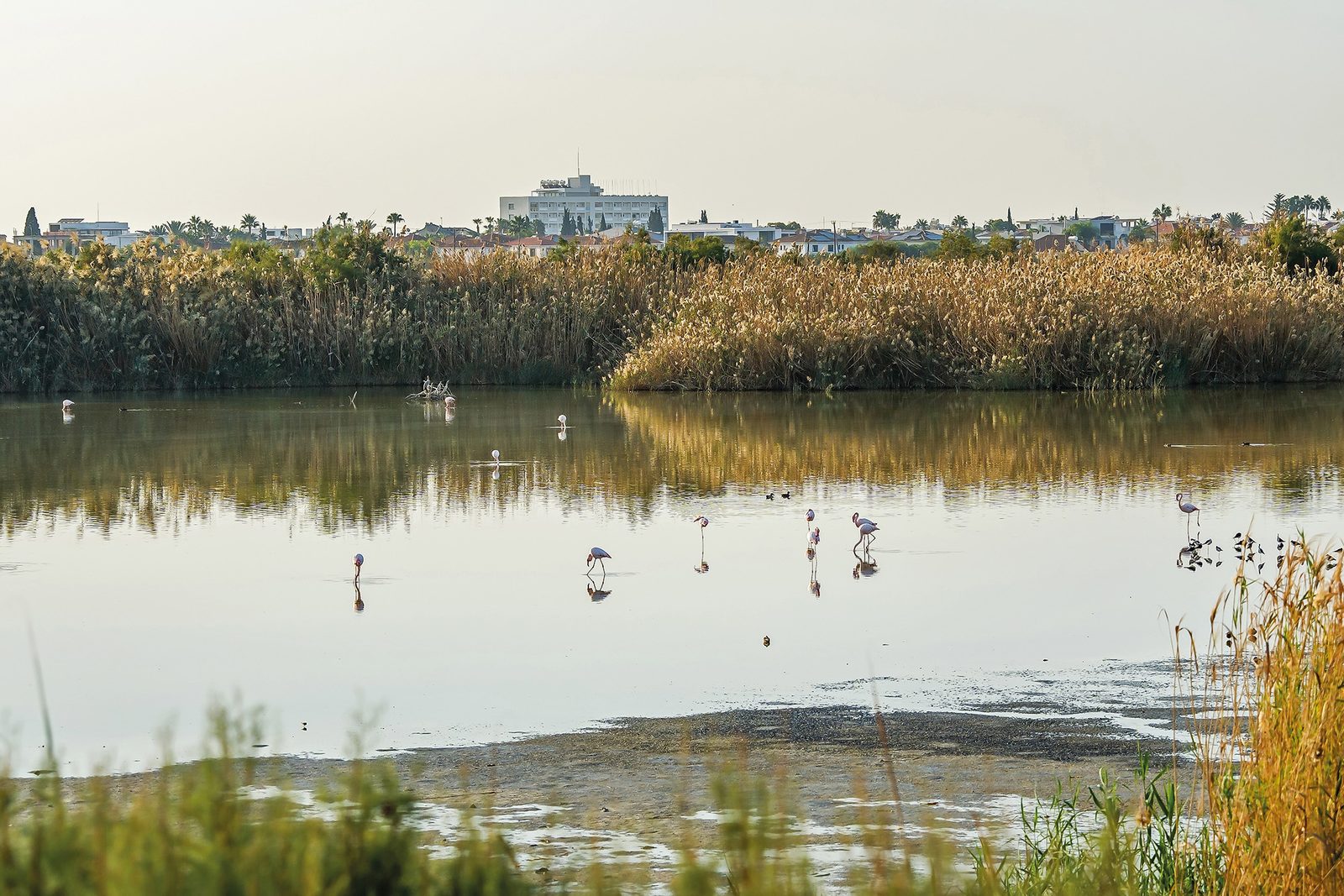 The ever-changing scenery transforms birdwatching into an experience that blends relaxation, exploration, and a meaningful connection with nature. With every step, a new image unfolds, as subtle shifts are reflected at times through movement and at others through stillness. Walking trails and wooden bird hides bring visitors closer to the action without disturbing the area’s delicate balance, allowing for a more immediate yet unobtrusive experience. The routes remain easy and accessible, ideal for both beginners and more experienced observers. Activity reaches its peak in the early morning and just before sunset, when the light spreads across the water’s surface, creating scenes of unparalleled beauty. At the same time, an almost otherworldly silence deepens the sense of connection with the surroundings.
More than 190 bird species have been recorded in the area, placing it among Cyprus’ most important ornithological destinations. In winter, flamingos stand out as they move slowly through the shallow waters, creating scenes reminiscent of paintings. Herons are also commonly seen –such as the grey heron and the little egret– as well as various species of duck. Particularly distinctive is the black-winged stilt, with its slender red legs and black-and-white plumage, which not only visits but also nests in the lake – an indication of a healthy ecosystem. Alongside these, one can spot spur-winged lapwings, different types of gulls, and wading birds moving along the shoreline.
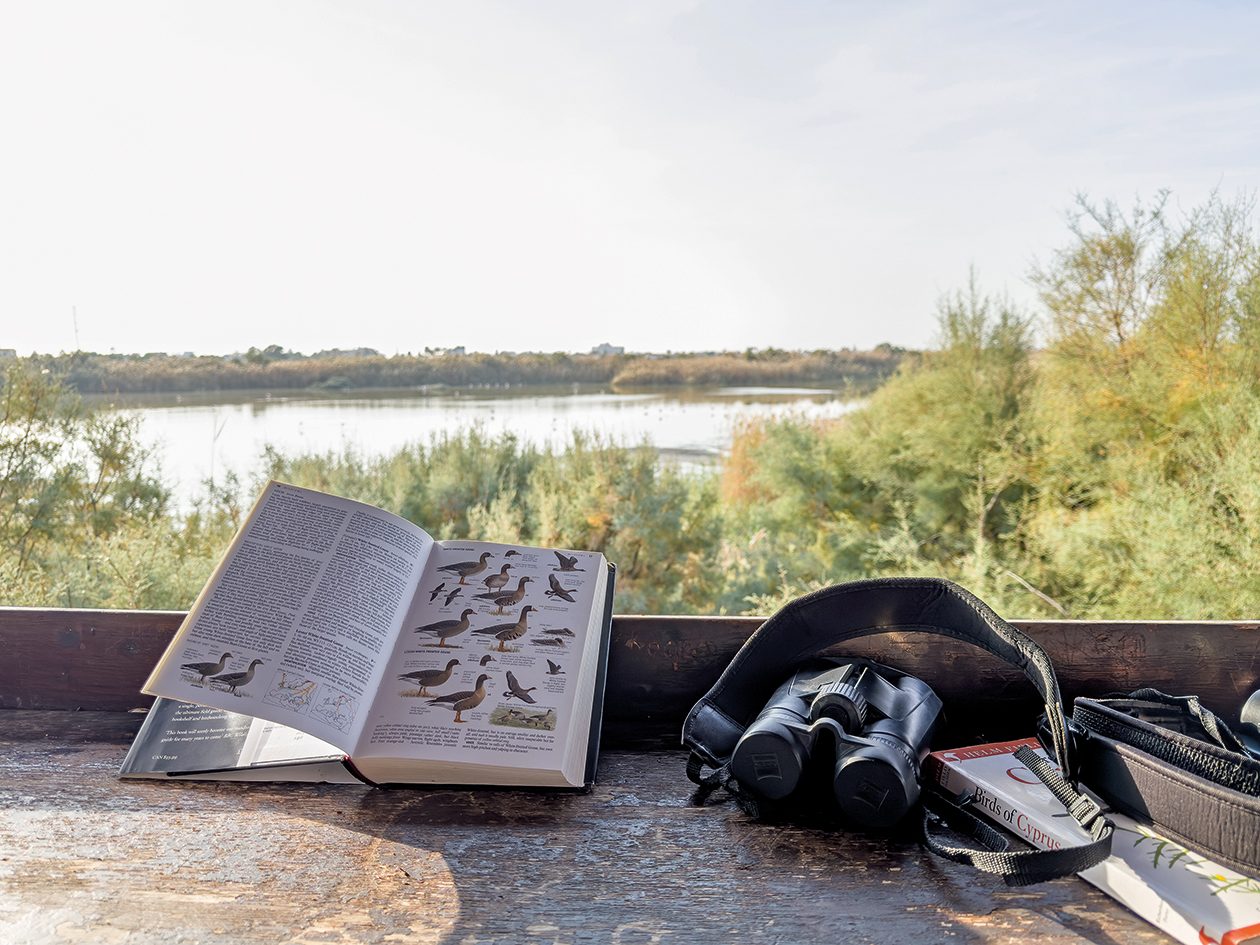
During the migration seasons, in spring and autumn, the landscape becomes a true hub of life, as populations from Europe, Asia, and Africa stop to rest and feed. At this time, diversity reaches its peak, and each visit can reveal something new.
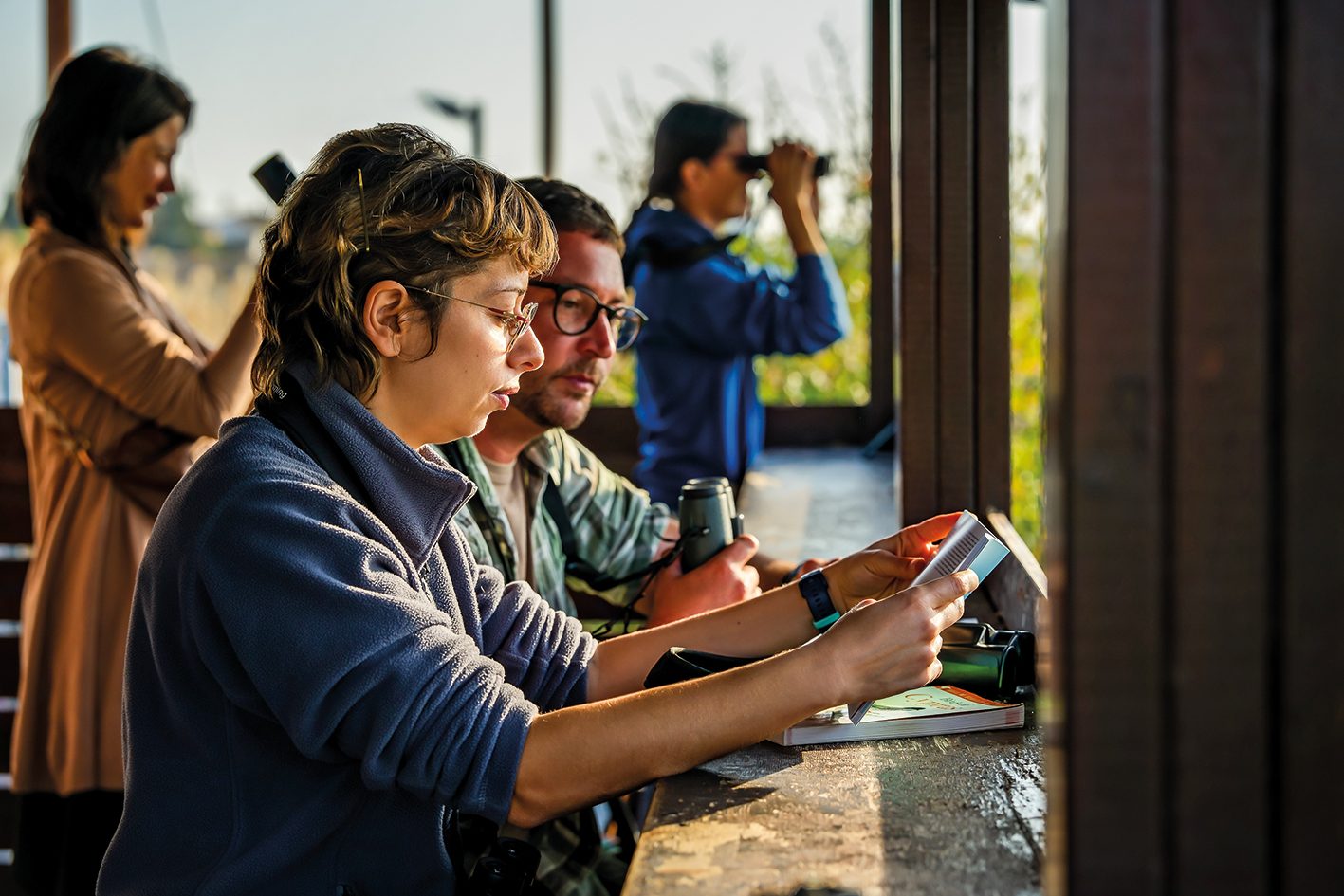
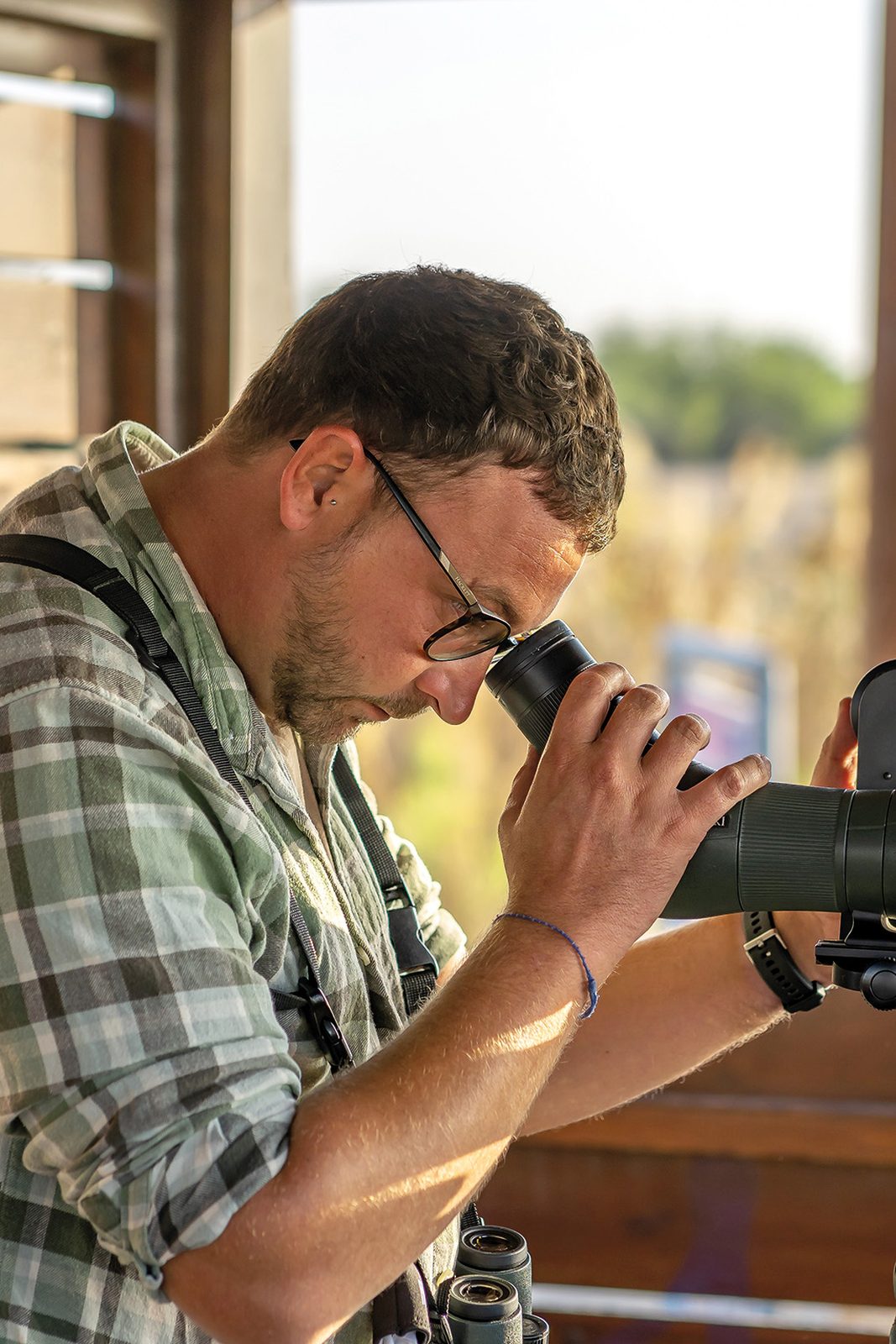
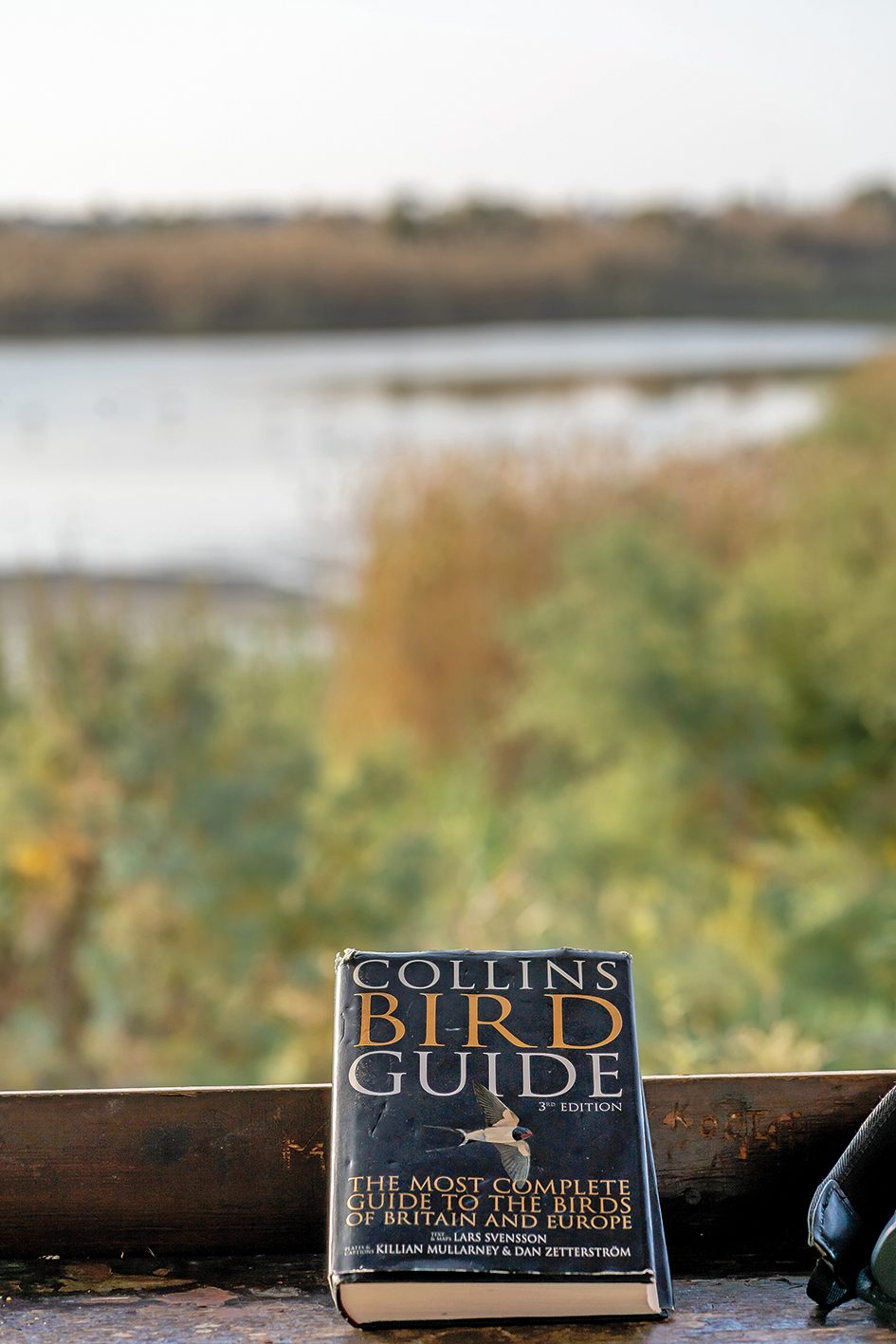
Beyond its rich birdlife, the lake is also home to other forms of life, including amphibians, insects, and small mammals, while the vegetation –reed beds, halophytes, and plants adapted to saline conditions– creates a balanced ecosystem of notable natural value. For those wishing to make the most of the experience, a pair of binoculars or a telephoto lens are necessary, while a field guide or a relevant mobile app can help with spotting and identification. At the same time, it is an ideal destination for nature photographers, as the light, movement, and reflections create ever-changing images. Even without specialised equipment, every moment can capture an authentic scene.
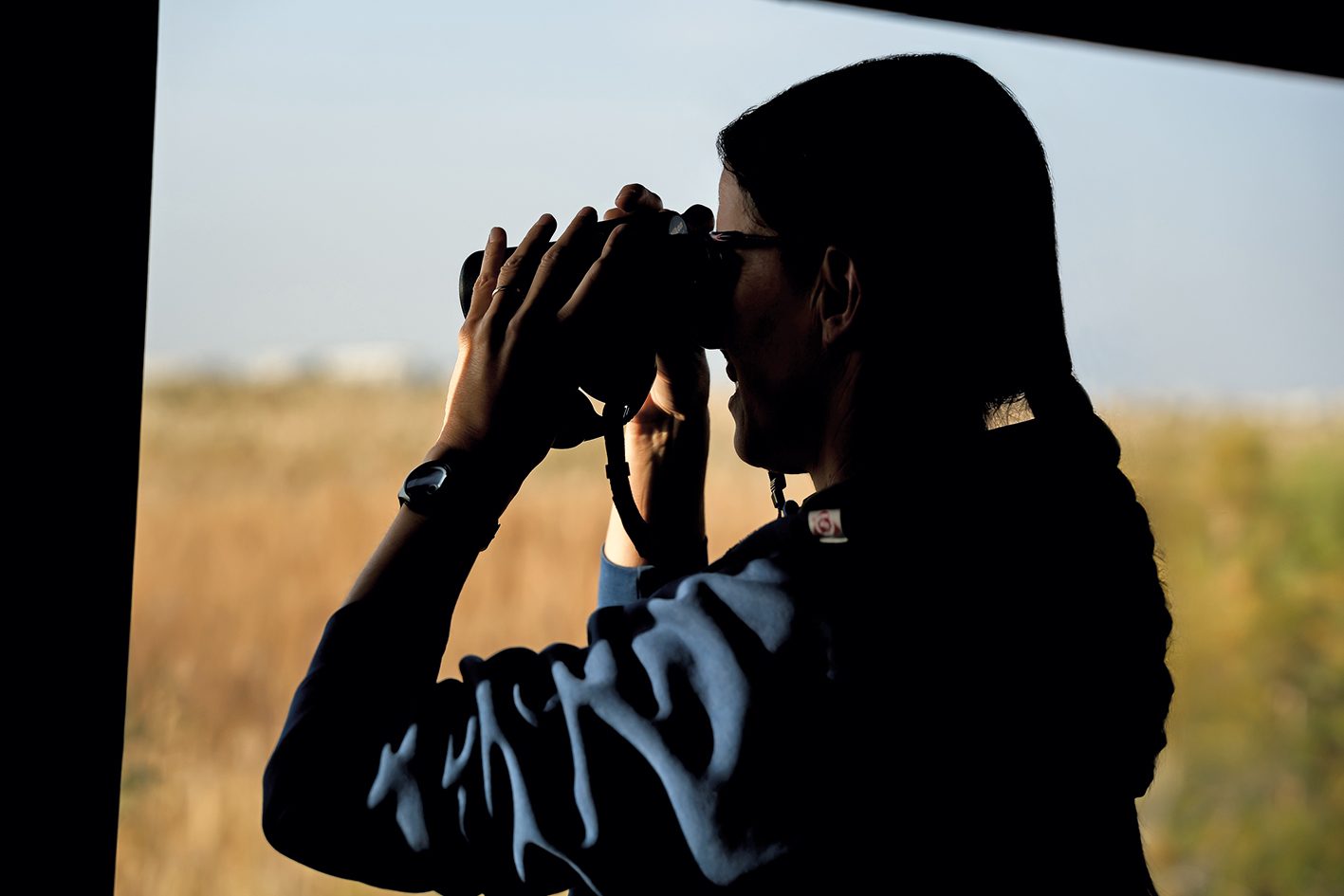
A visit to Oroklini Lake is not simply an outing, but an opportunity to slow down and step away from the intensity of everyday life – a gentle return to a slower pace, and a reminder that nature is always close, if only we take the time to let it reveal itself through small details. All that is required is respect: avoiding noise, keeping a considerate distance, and protecting the landscape so that this precious wetland can continue to sustain life and preserve its character for future generations as a living haven of natural balance and remarkable beauty.

