Art Everywhere
Text: Andreas Katshis / Photos: Silvio Rusmigo AugustoT: ANDREAS KATSHIS / PHOTOS: SILVIO AUGUSTO RUSMIG
In Limassol, art knows no boundaries. from facades and narrow streets to studios and public spaces, it flows through the urban fabric and becomes an integral part of everyday life.
Behind the vibrancy of the seafront and the modern pulse of Limassol lies an entire world filled with stories and creative individuals who give the city a more authentic, multidimensional identity. All it takes is a walk through the centre to realise that art here is not confined to galleries. It emerges on façades and in narrow alleyways, lives within small workshops, and takes shape in the hands of gifted people. All together, it is a living canvas, gradually revealed step by step.
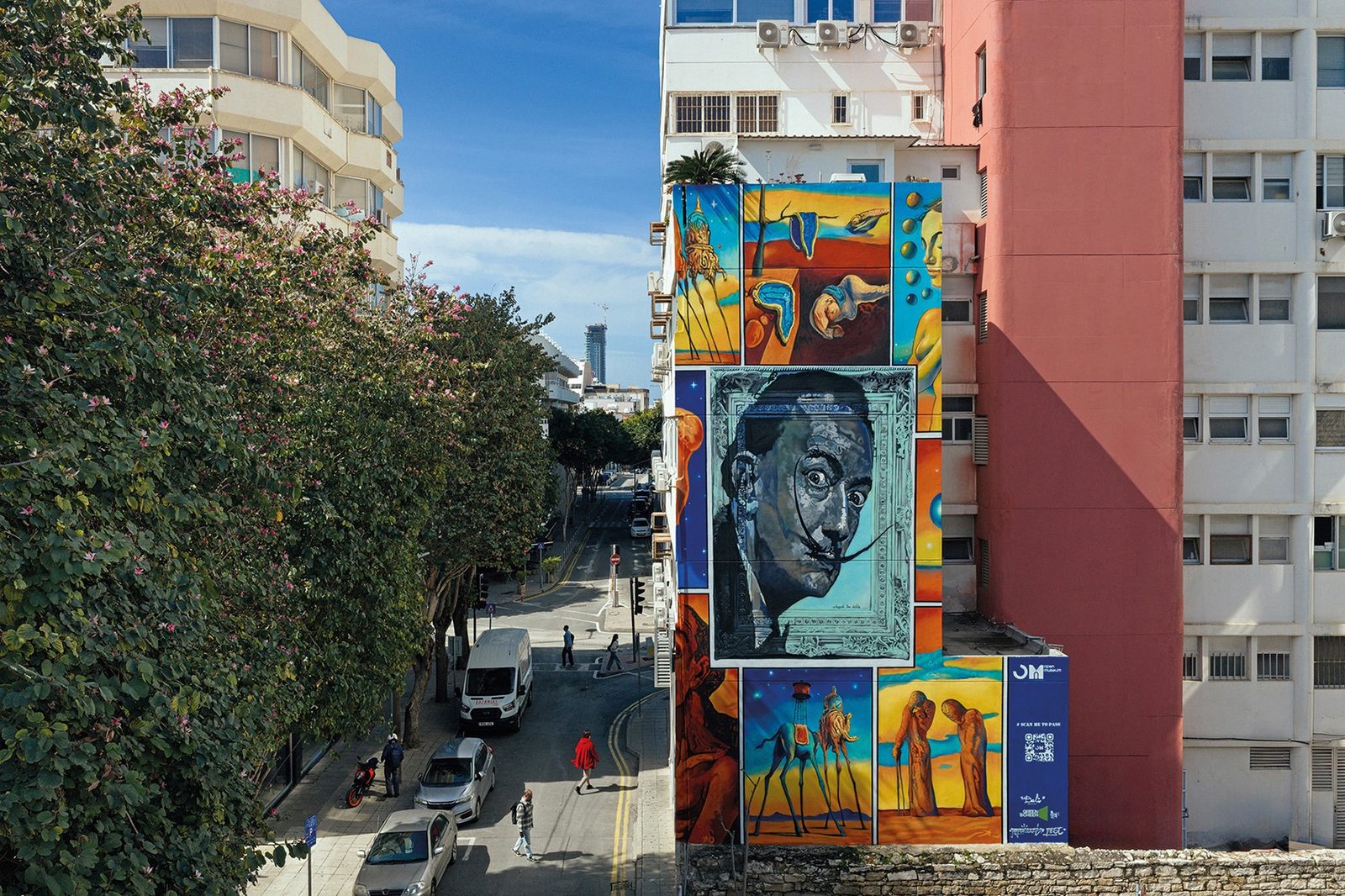 As I wait for Silvio on Athinon Street, a side street off of Anexartisias, my gaze stops at a striking mural: a portrait of Salvador Dalí, framed by references to his iconic works and the hashtag #openmuseum. A quick search reveals that it is an interactive project aimed at bringing the public closer to great, timeless creators, highlighting the importance of accessibility in art: an open museum where anyone can experience it, feel it, and interpret it in their own way.
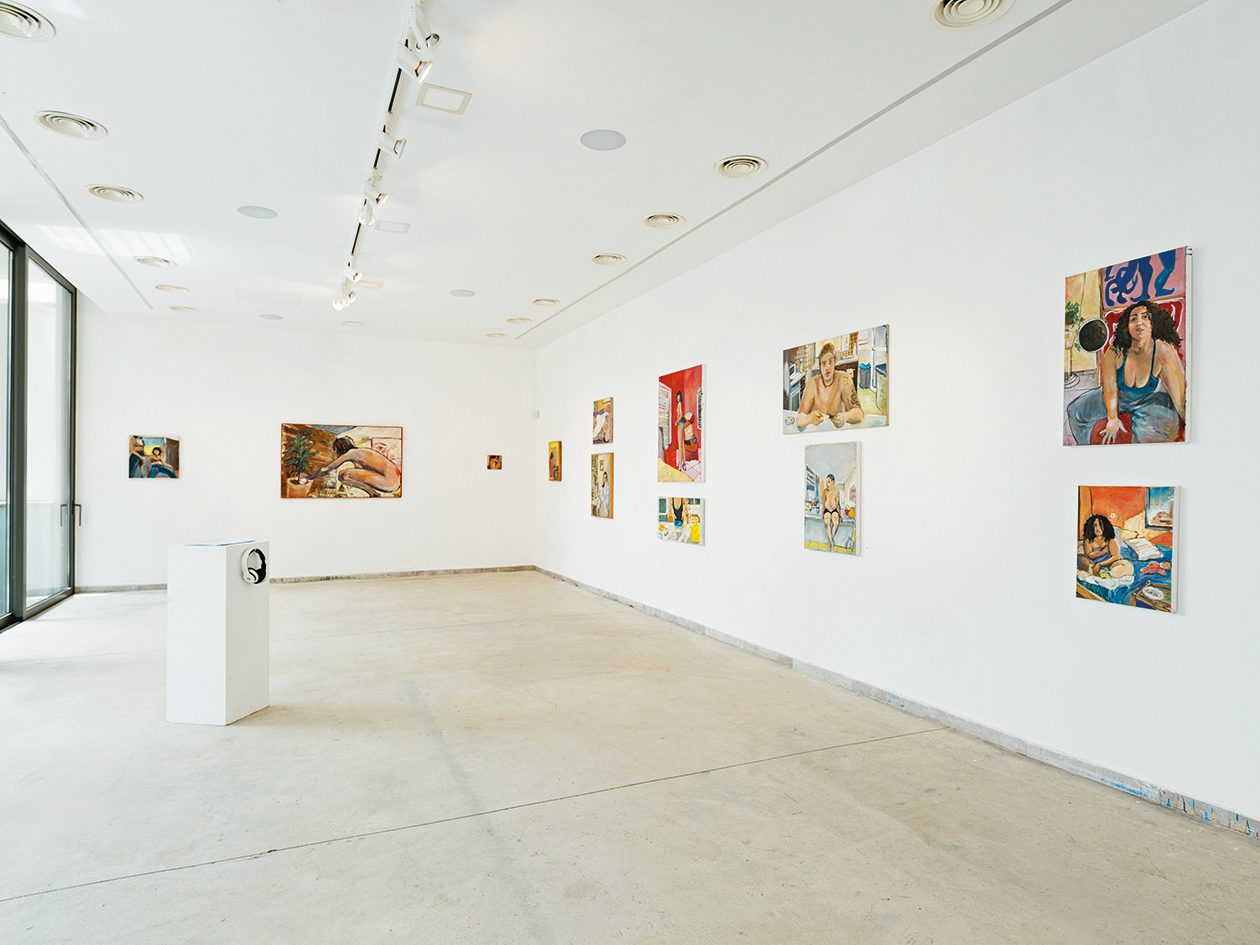
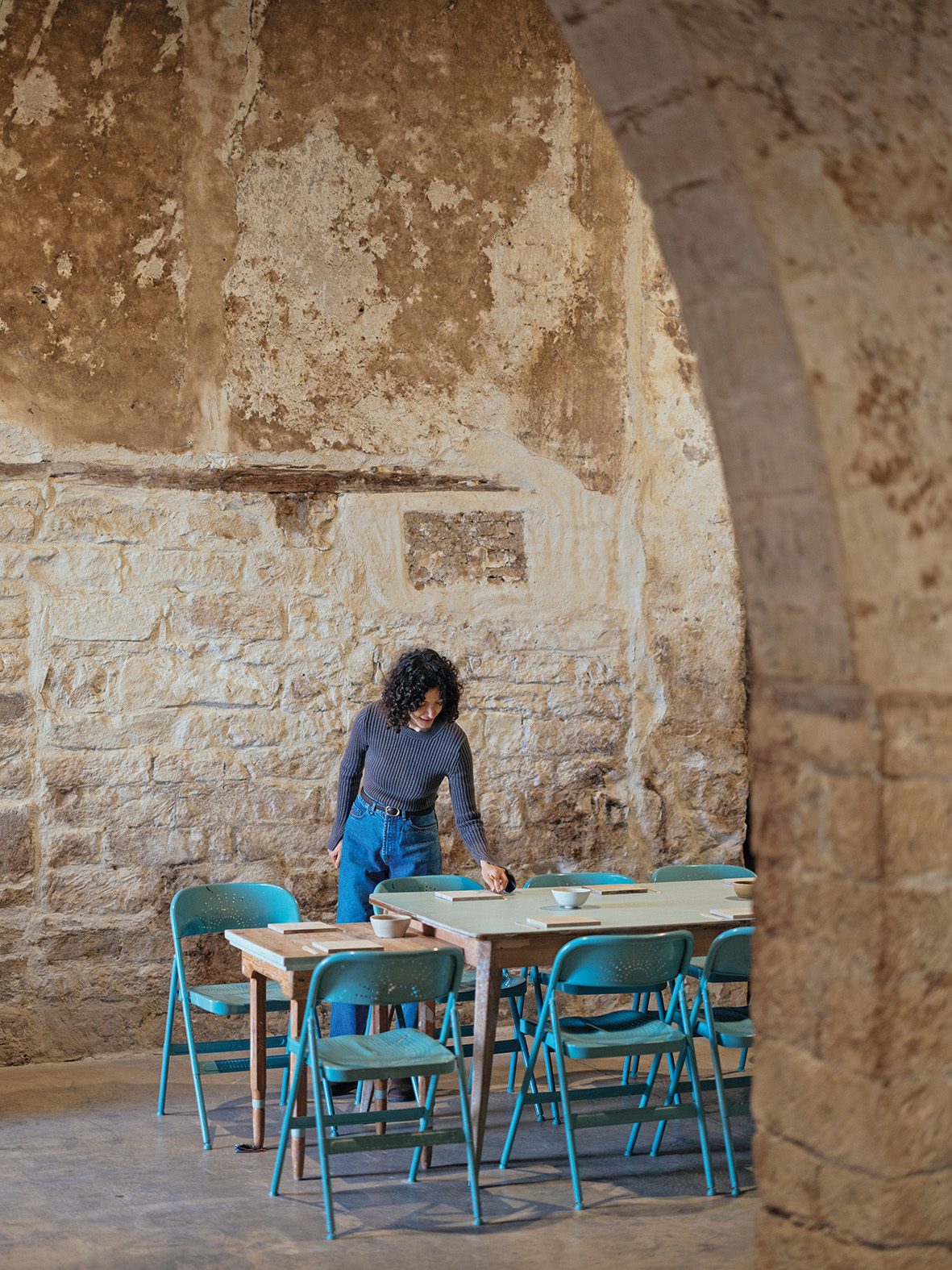
The clock strikes ten, and we make our way to a narrow cul-de-sac off Stathi Papadaki Street, south of Agiou Andreou. Since 2017, this is where the Limassol Municipal Arts Centre has been housed, hosting temporary exhibitions by both local and international artists. This beautiful brick-built building, with its inner courtyard, is among the city’s oldest warehouses and has been listed as a preserved building since 1995. It stands as a characteristic example of the transition from the Ottoman period to British rule.
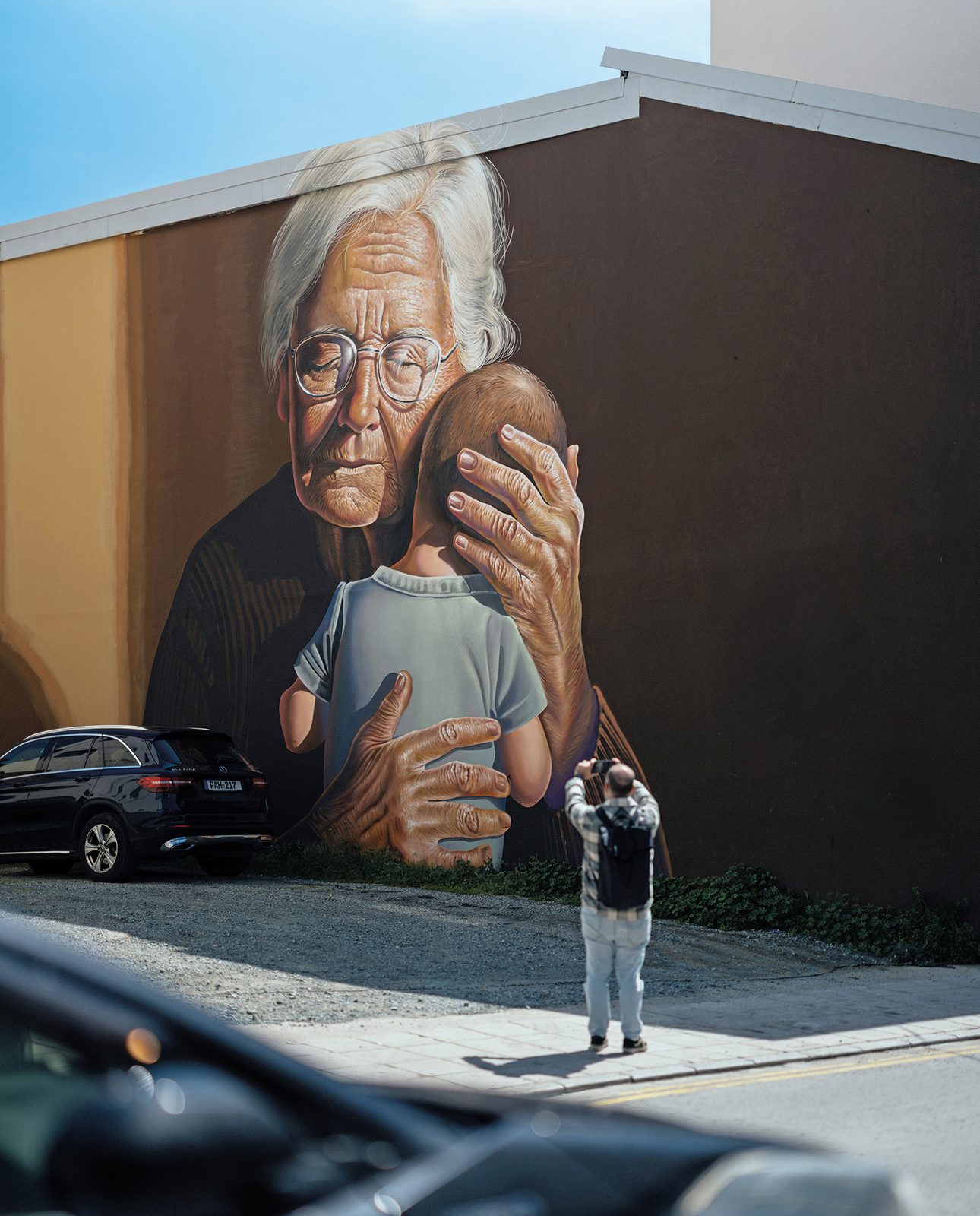
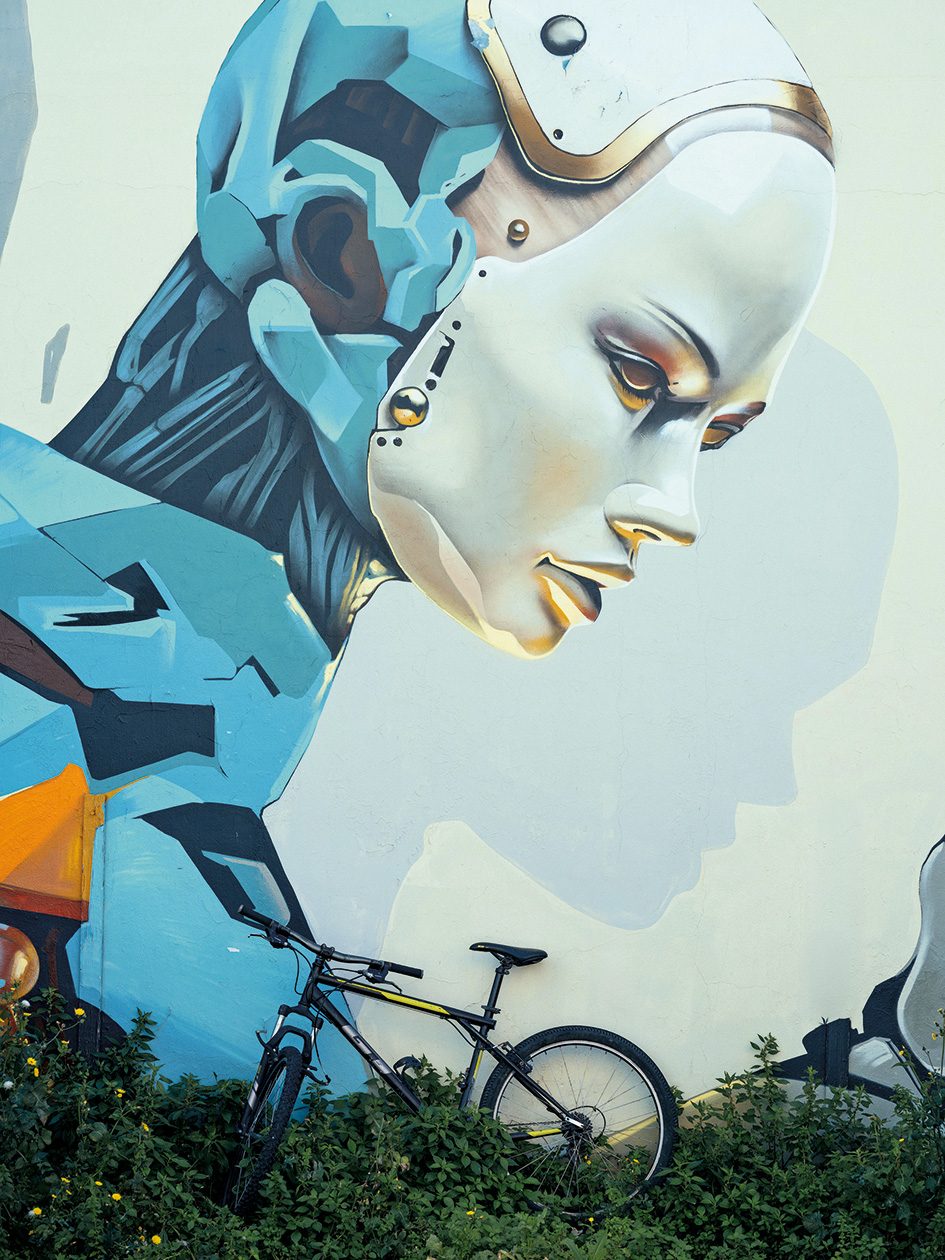
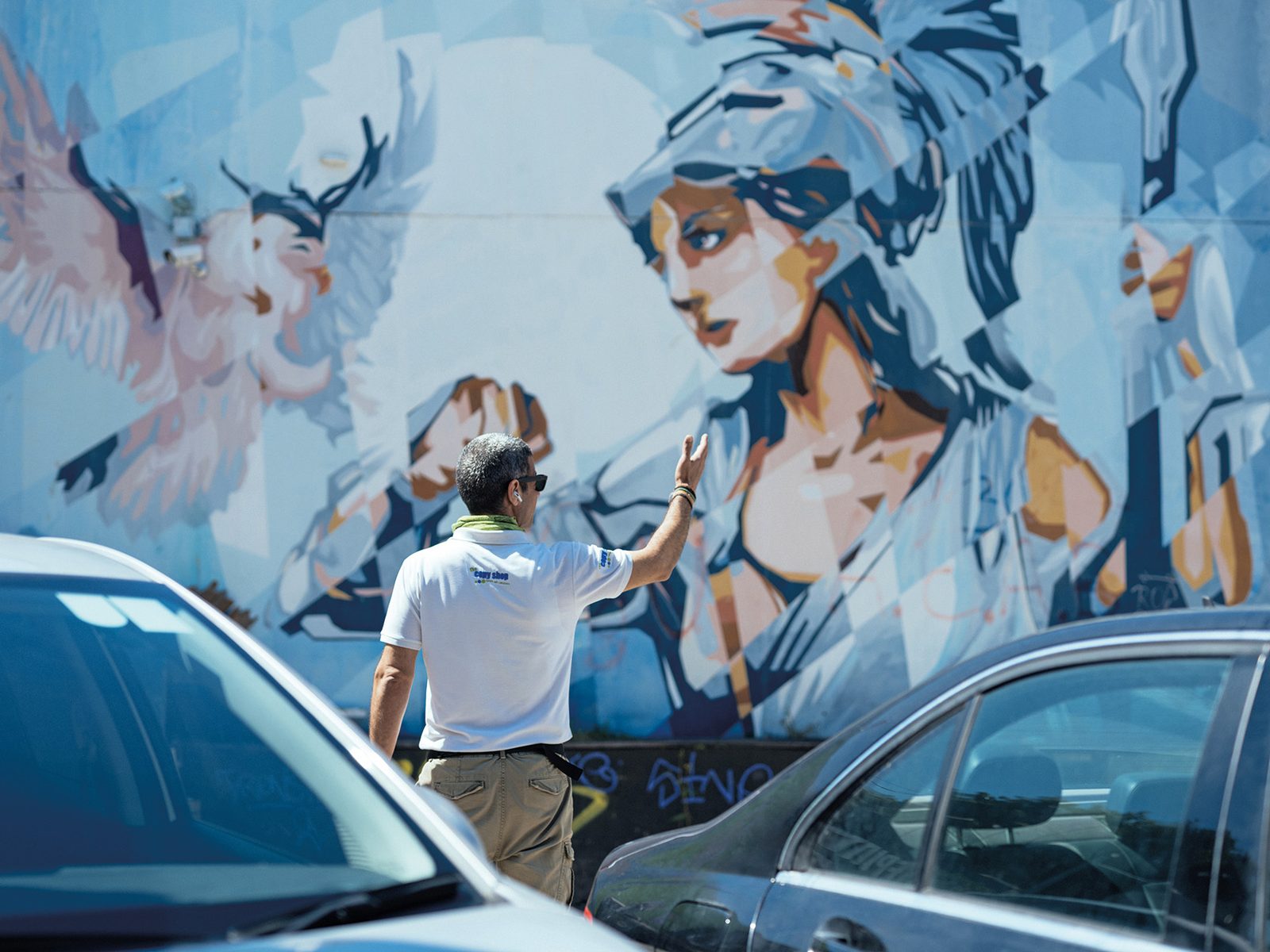
On Saripolou Street, we meet Yiotis Kyriacou, one of the founders and organisers of the Street Life Festival Limassol, which this year celebrates 19 years. “When we first started this effort with Christos (Edmon), who is also an artist, no one believed it would have a future or any longevity. I remember in those early years the discussions we had with local residents, asking for permission to use the walls of their homes as canvases. And it wasn’t just about art – it was something deeper, because, as you can see, most of the murals and stencils remain untouched, without graffiti. There’s a sense of respect, because we brought in young people and gave them space to express themselves,” he tells us. Today, the city centre functions like an open-air gallery, with works that in some cases remain for years – such as the iconic image of an Asian woman holding her baby, a piece created around a decade ago.
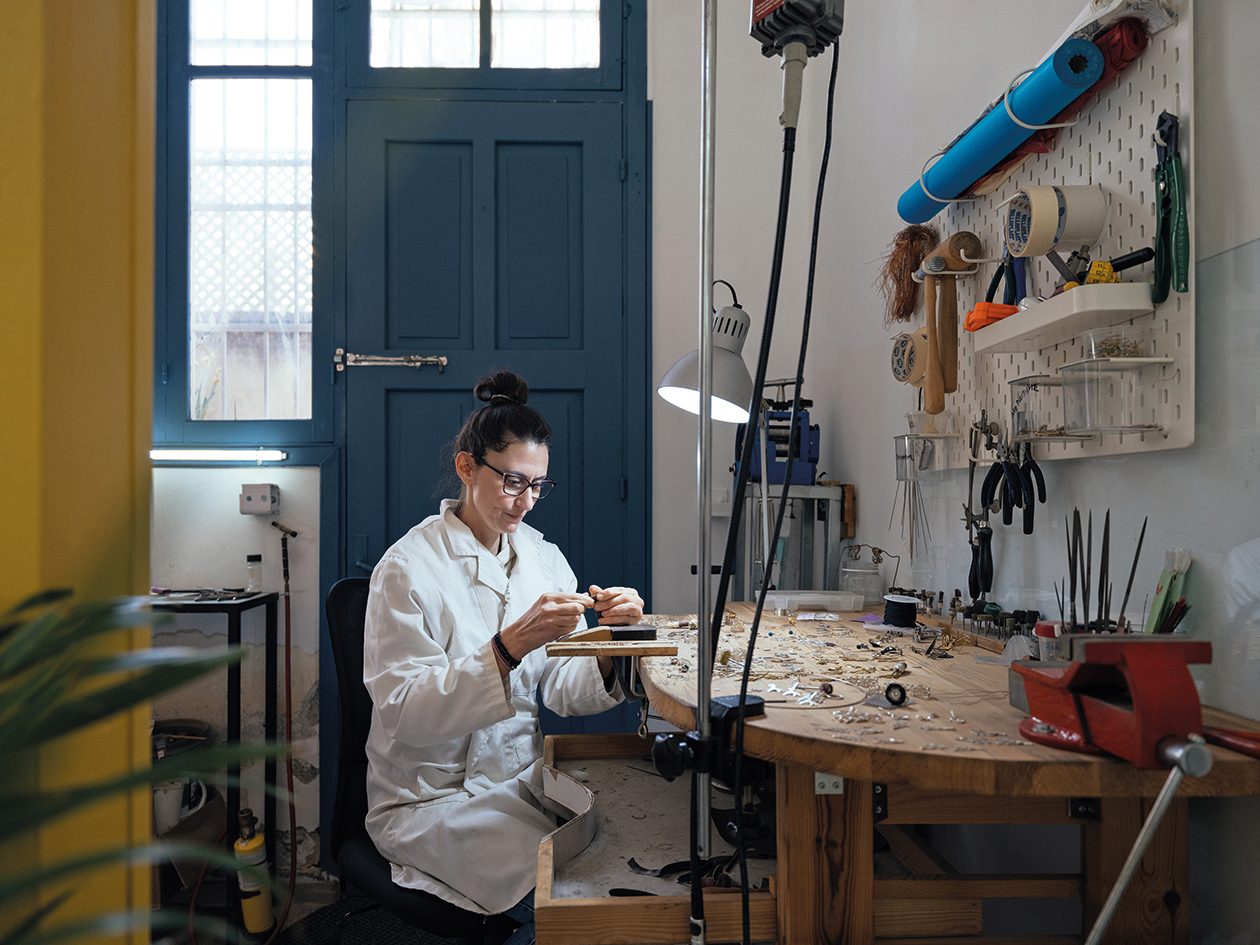
 As we walk, a shop window displaying jewellery catches our attention. Skulukuin Art & Handmade Jewellery opened in the area years ago, at a time when the centre still resembled a construction site. “When I moved to Limassol from Athens, where I was working as a surveyor, I discovered a more creative and artistic side of myself that I didn’t know existed. That’s how I began designing and making jewellery, which I see as small works of art,” Maria, the shop’s proprietor, tells us, her eyes smiling. As we continue, the urban landscape shifts from one corner to the next. Limassol reveals itself as a living mosaic of cultural influences, reflected in every aspect of its artistic expression.
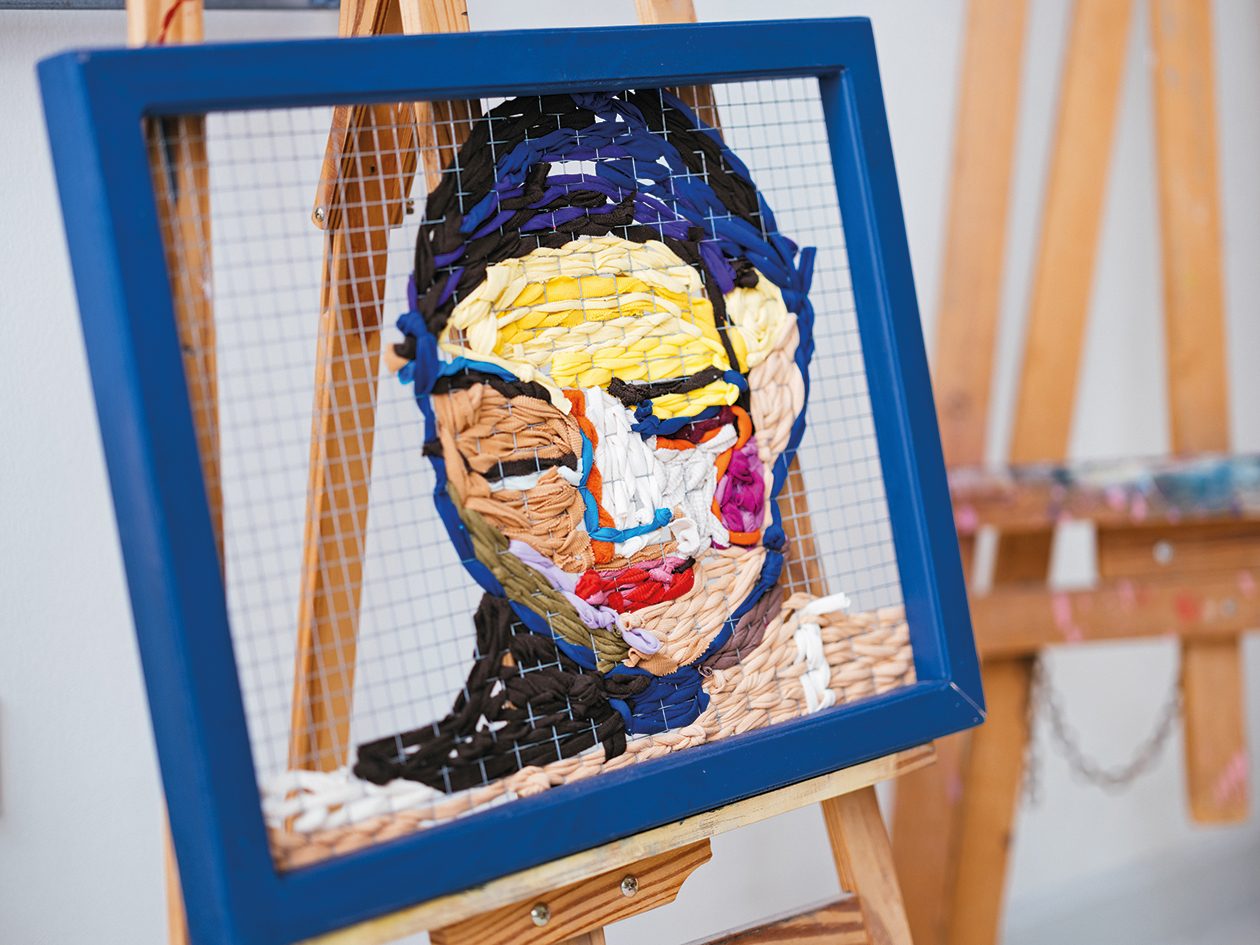
Arriving at Ellados Street, we discover Aphi Creative Space, an art studio dedicated to artistic expression for both children and adults. The space spans two floors and offers opportunities to explore a variety of creative practices, from painting and crafts to embroidery and fashion design. On the same street, we also come across MeMeraki Residency, a haven for artists that provides them with the space to create, express themselves, and experiment freely through interaction with one another.
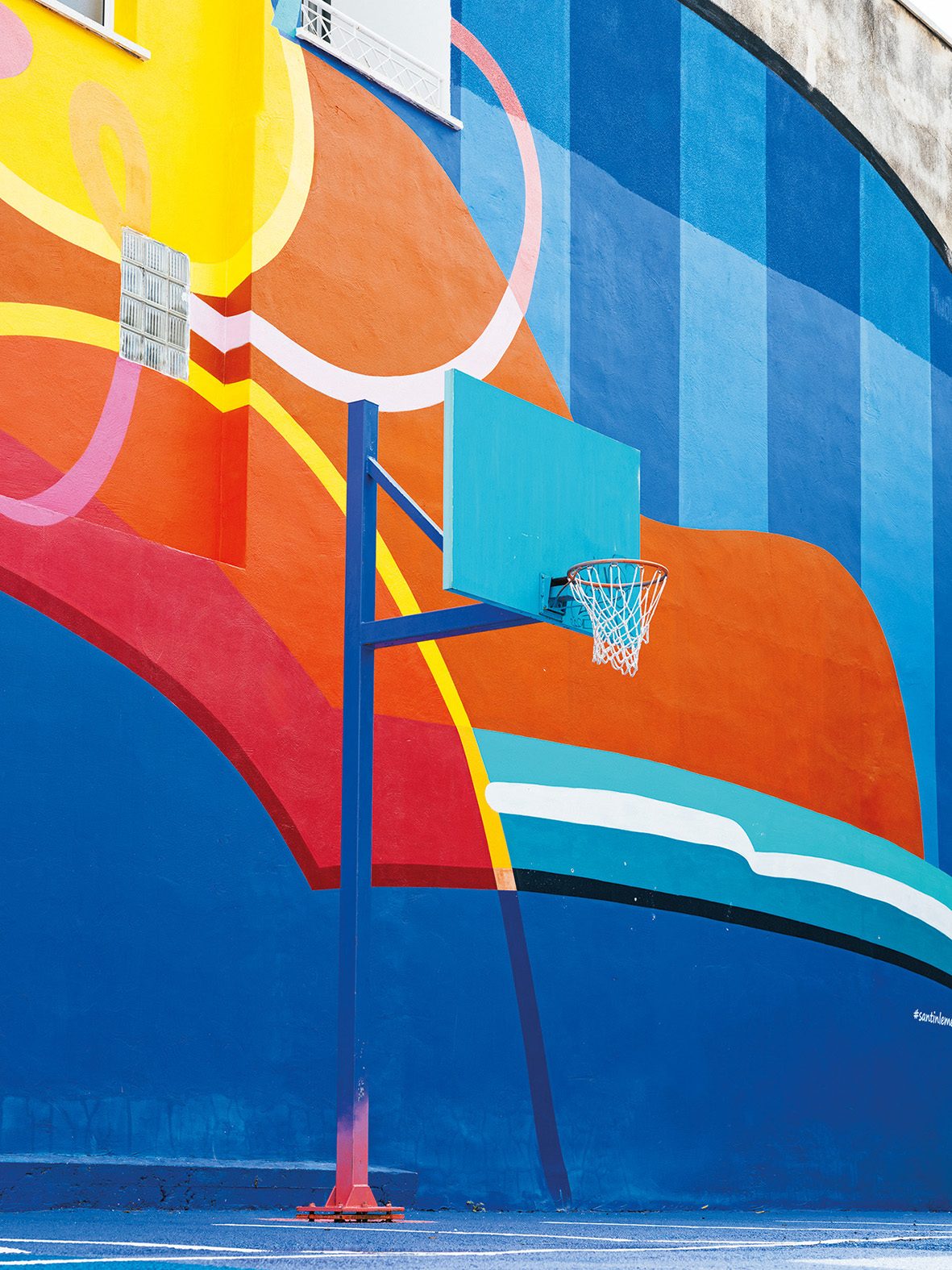
On our way to the Old Vinegar Factory, our attention is caught by a colourful space resembling a basketball court. As Yiotis explains, it had long served as a parking area for municipal employees until, as part of the Sustainable Mobility Plan, it was proposed that it be handed over to an artist and given a new lease on life. A little further down, on Genethliou Mitella Street, we come across one of the most intriguing pedestrian streets in the historic centre – a lively blend of restaurants, cafés, bars, and cultural spots that coexist harmoniously, creating a distinctive atmosphere, especially on summer evenings.
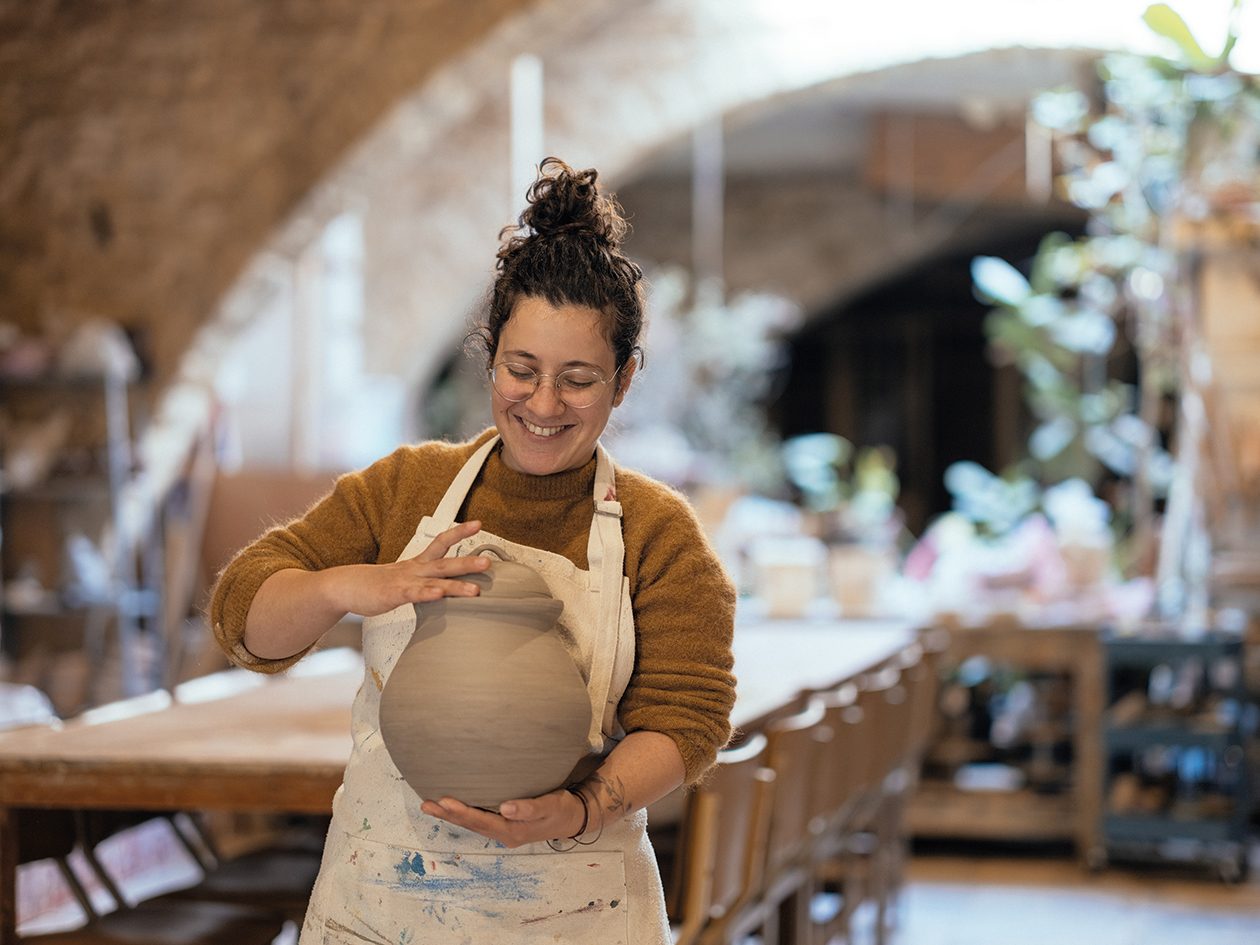
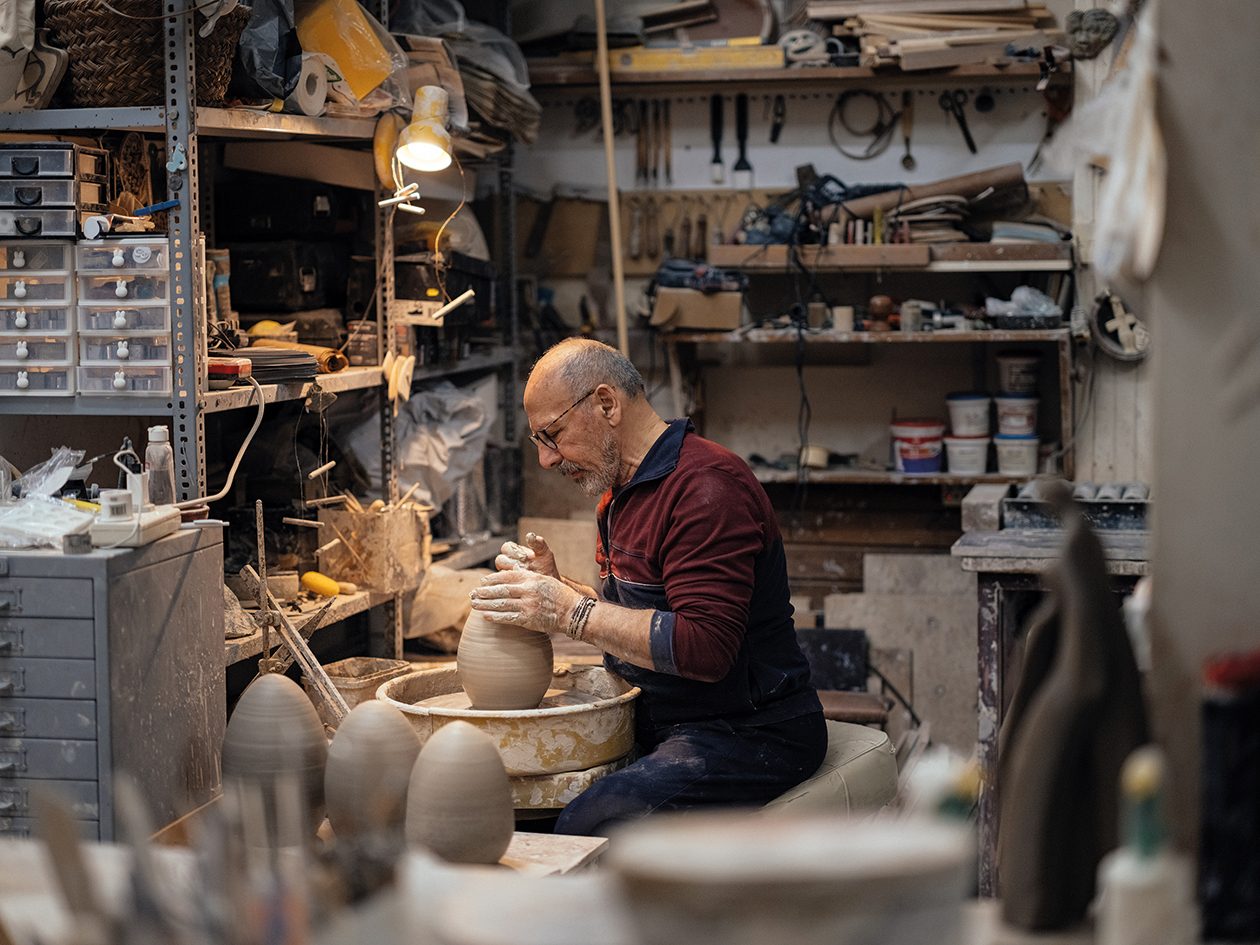
Arriving at the Old Vinegar Factory –also known as the Centre of Performing Arts MITOS, a space operating for years as a multidisciplinary arts venue– we meet Ioannis and Myrto. Siblings and owners of the Fosaki pottery studio next door, they have managed, in just two years, to build a strong community around their work. “We grew up watching our mother create small wonders out of clay, so we decided to continue that path by setting up this studio on a street that, until a few years ago, was mainly home to bars and dining spots,” says Ioannis. Meanwhile, Myrto, working at the wheel, adds that what she loves most is how the space transforms throughout the day; in the morning, it functions as a quiet workshop, while from the afternoon onwards it fills with people – some creating, others sitting outside enjoying a drink and listening to music, all part of a unique shared experience.
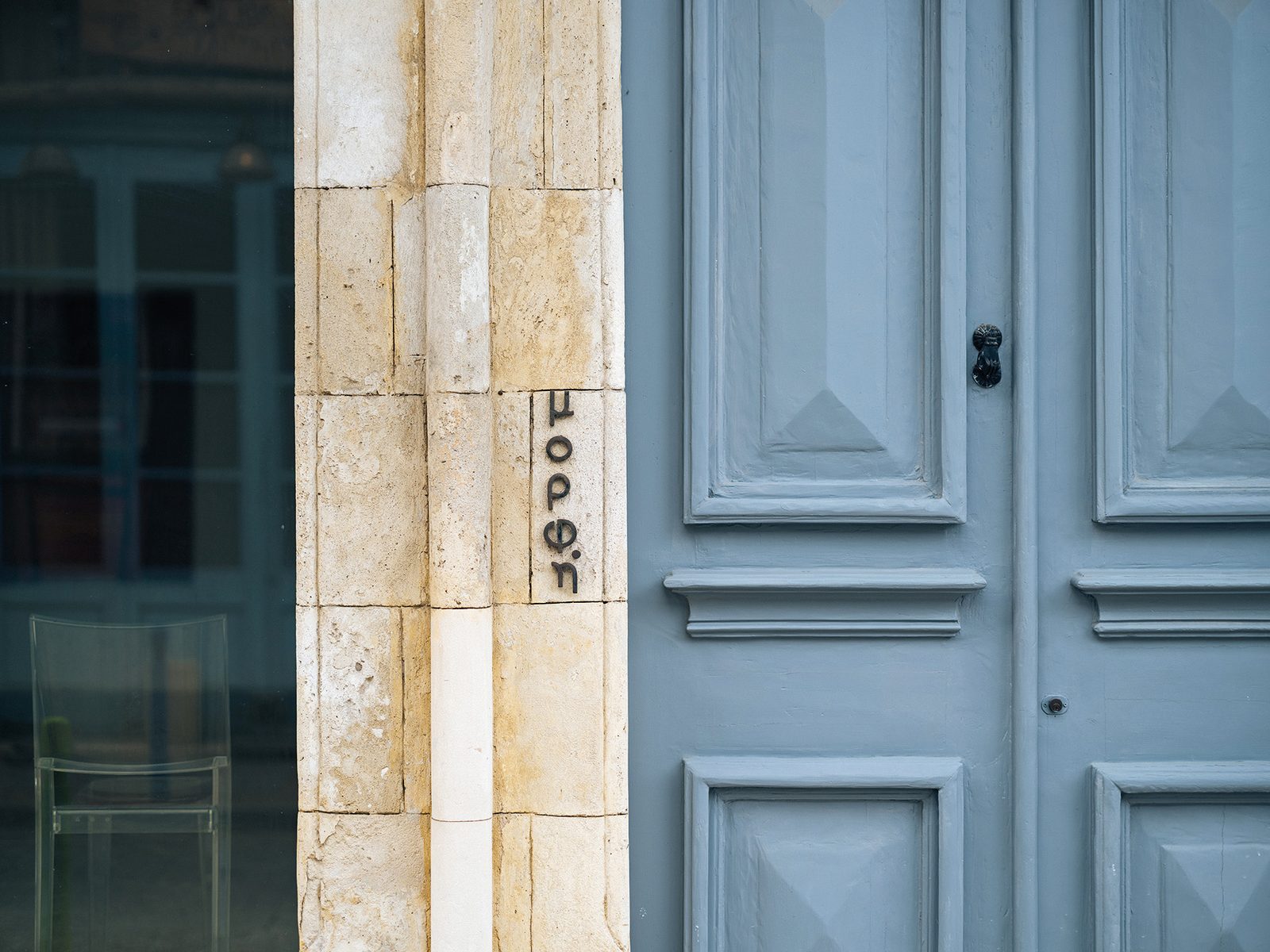 Just before heading towards Castle Square, on Ankyras Street, we make a stop at Sto Dromo, a place that began as an alternative café and has since become a landmark, evolving into one of the city’s most beloved spots. Just a short distance away is Morfi Gallery, one of Limassol’s most historic galleries, as well as CAT Kerameas Ceramics, the workshop of the renowned ceramic artist Andreas Kattos, whom we watch as he sculpts female figures from clay. “My work focuses mainly on human nature – on needs and behaviour,” he tells us. “Perhaps that’s why I’ve chosen to remain in this space for so many years; life on this side of the city moves differently, at its own pace. It still retains its authenticity.”
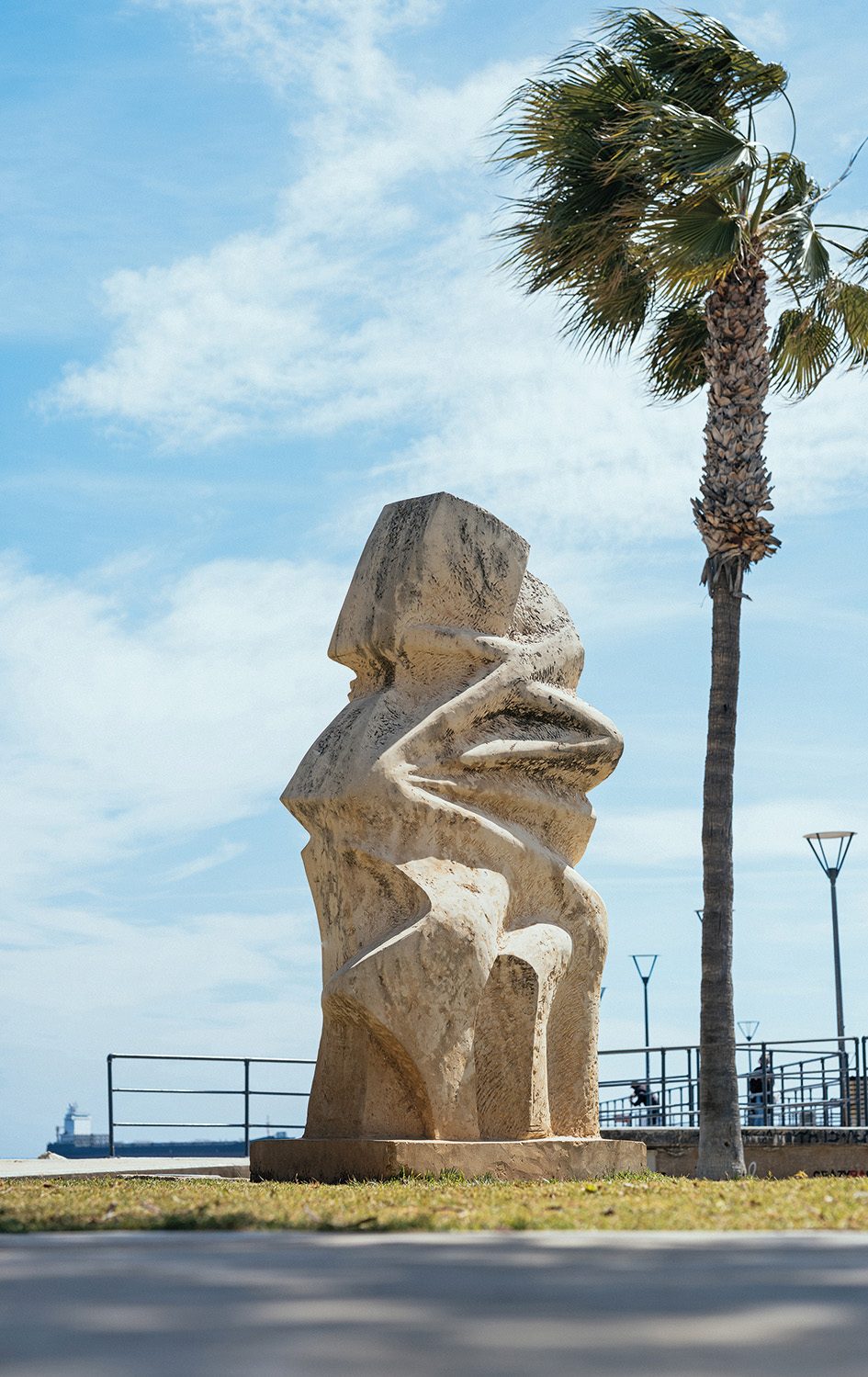
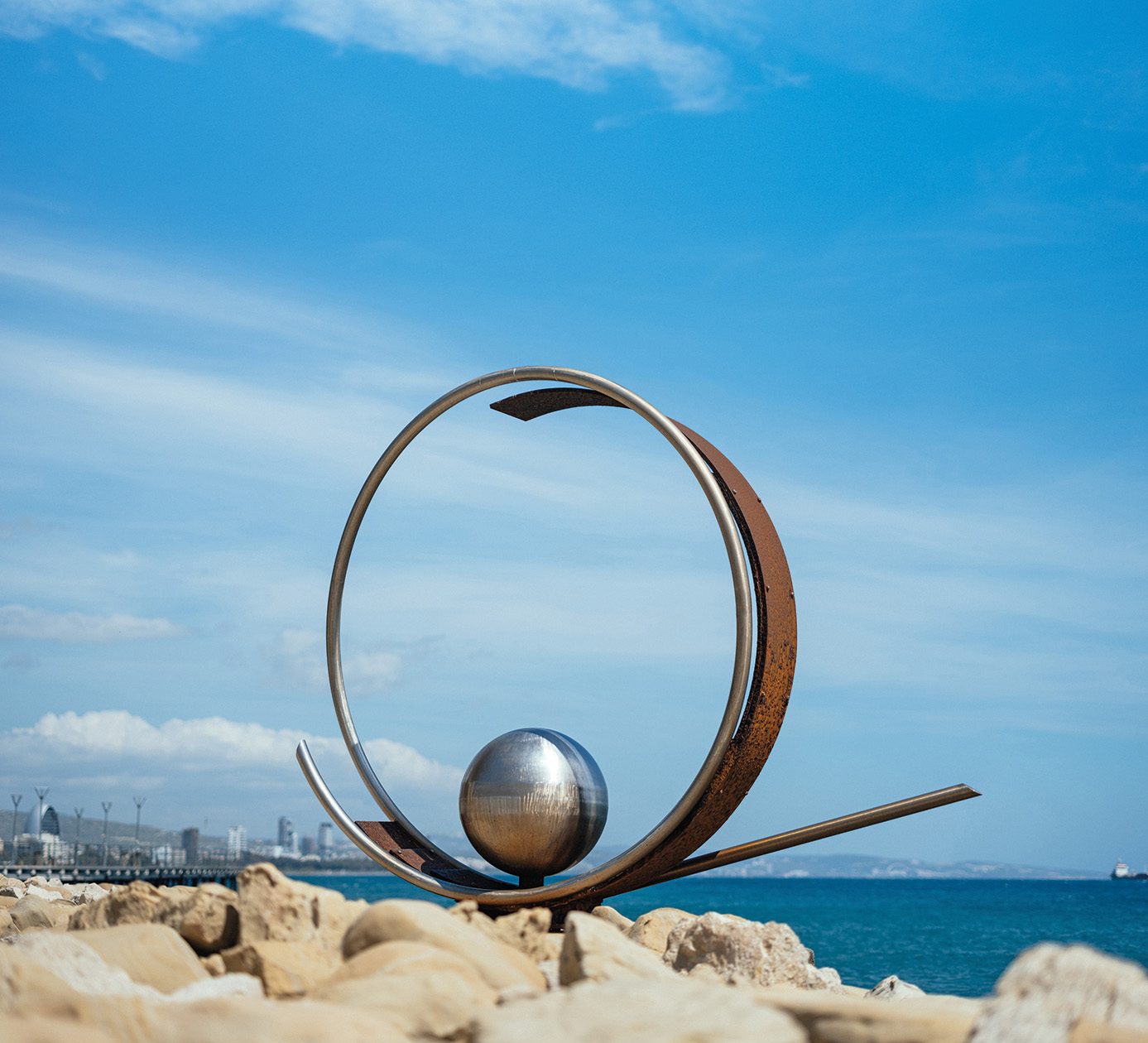
Our path leads us to our final stop: the Molos Seaside Park. It is one of the most striking examples of public art integrated into an urban landscape – so harmoniously embedded in its surroundings that it has become as much a part of the area as the sea itself. As we walk along the pedestrianised coastal promenade, a collection of more than 20 large-scale sculptures unfolds before us –mainly in stone and metal– works by Cypriot, Greek, and international artists that weave art into the everyday life of the city’s residents.
And just like that, our walk comes to an end, leaving us with a simple realisation: in Limassol, art is alive, part of everyday life, deeply woven into the city’s rhythm and its people – an inseparable part of life itself.